Visual Merchandising: The First Salesperson
Visual Merchandising's role goes far beyond presenting brand image. It shapes the customer's journey and sets psychological expectations before a word is spoken.
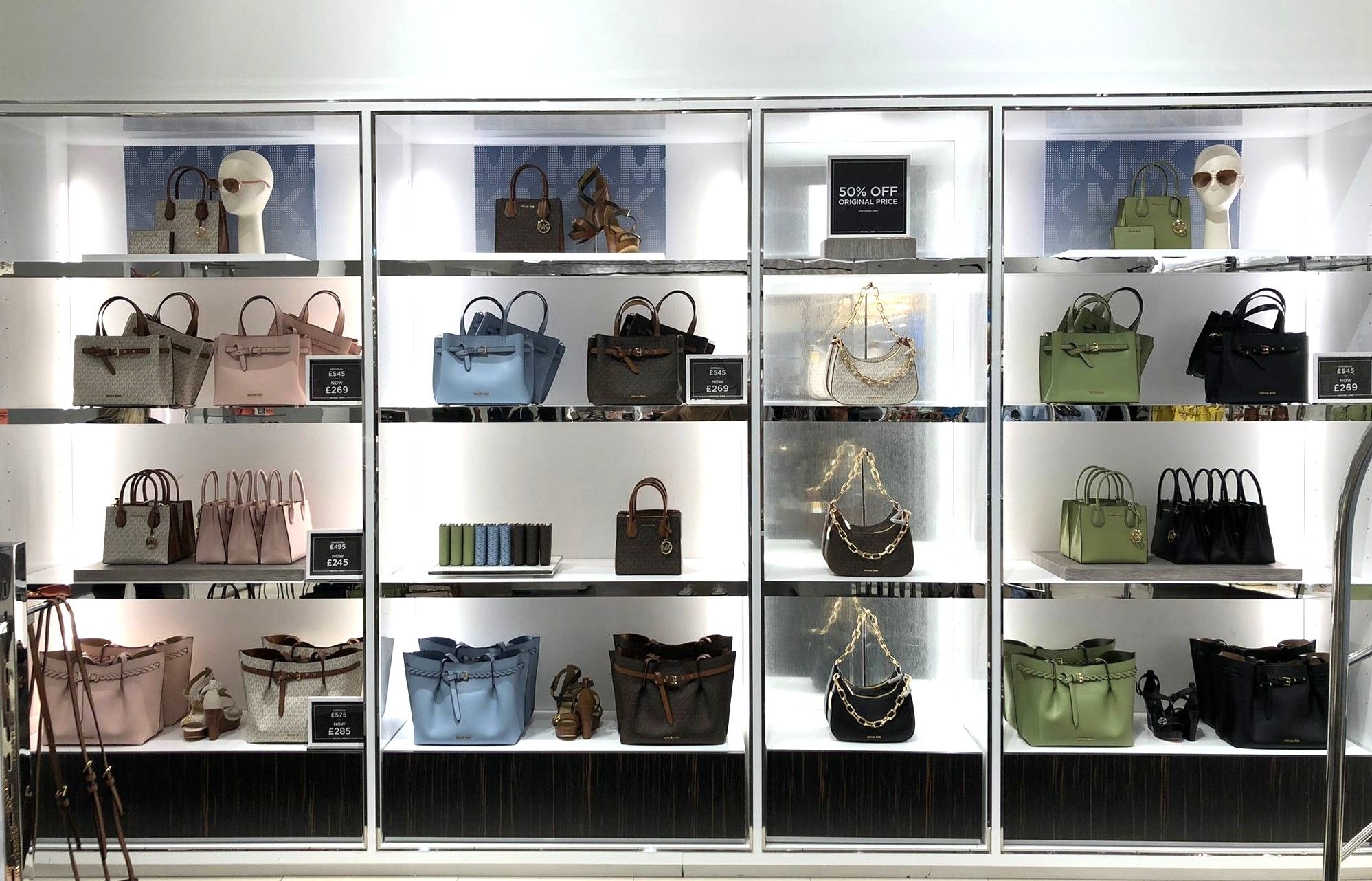
Visual merchandising is effectively the first salesperson. Human staff are the second.
If the first does a poor job, the second has to recover the situation.
VM’s role goes far beyond presenting brand image or creating a visual identity. VM shapes the customer’s journey in-store and sets the starting expectation before a word is spoken. When it works well, it supports the store team and makes customer conversations easier. When it doesn’t, it creates friction and adds unnecessary pressure to customer service.
The Mental Bubble of Expectation
One of the most common friction points is price signage.
Price tags, promotional copy, and how they are placed may seem functional, but they are powerful psychological triggers. The moment a customer reads a price message, an expectation starts to form in their head, even if they are not yet sure they have understood it correctly.
That expectation becomes a kind of mental bubble.
When the customer later approaches a sales assistant for clarification, that bubble meets reality. If the explanation matches what they had already interpreted, the bubble expands. Trust builds. The conversation starts smoothly, and conversion often happens faster.
If it doesn’t, the bubble bursts. Disappointment appears instantly, even when the price is within their range. At that point, the sales assistant has to spend extra effort rebuilding value and correcting an assumption that was never meant to exist.
The worst outcome is when the customer does not ask at all. They trust their own interpretation, feel disappointed silently, and leave. The opportunity is lost without any conversation.
The Gap Between Brand Logic and Customer Logic
Inside a brand environment, people are trained on SOPs, pricing logic, and internal rules. Over time, this logic is accepted as a norm and feels obvious. Internal teams think the way the brand thinks.
Head office teams design signage with visual balance and brand logic in mind. Retail teams display it following guidelines and understand the message clearly. Everyone feels confident that the communication is straightforward.
Until customers ask the same price questions again and again.
“It’s so obvious. Why don’t customers get it?”
Because customers do not think in brand logic. They don’t need to, and have no obligation to follow it. They bring their own assumptions, references, and expectations.
Customer-Led Merchandising
Therefore, when VM is customer-led, particularly for elements that guide customers’ understanding and decisions, the customer experience starts from alignment between brands and customers.
VM creates its impact on the customer’s journey invisibly, but the outcome is very visible.